2023-10-28

Koshu Kaido Walk (10) Shimo-Hatsukari-Amida-Kaido :Oct. 28, 2023


I enjoyed my Koshu Kaido walk in Yamanashi Prefecture in a fine autumn day.

Today’s Walk was from Shimi-Hatsukari, the 44th shukuba station from Nihonbashi, to Amida Kaido, the 31th station.

The road goes in the mountainous areas. The leaves started to change their colors. The air was fresh.

I started today’s walk from JR Hatsukari railway station. 

Shimo-Hatsukari shukuba station is quite near from the railway station. Koshu Kaido is now converted into National Route 20 around this area.


Naka-Hatsukari shukuba station is only about 500 meters from Shimi-Hatsukari. Both shukuba stations were small. 


The monument of the main inn in the Edo era stands along the road.


Old Koshu Kaido moves westward. Chuo express as well as JR Chuo Line run along Koshu Kaido.


The Highway has been built in the mountain in some parts. Lands have been carved and bridges have been built.

Some slopes of the mountains are covered with concrete walls.


I saw cautions for natural disasters, including mountain tsunami, in several parts.

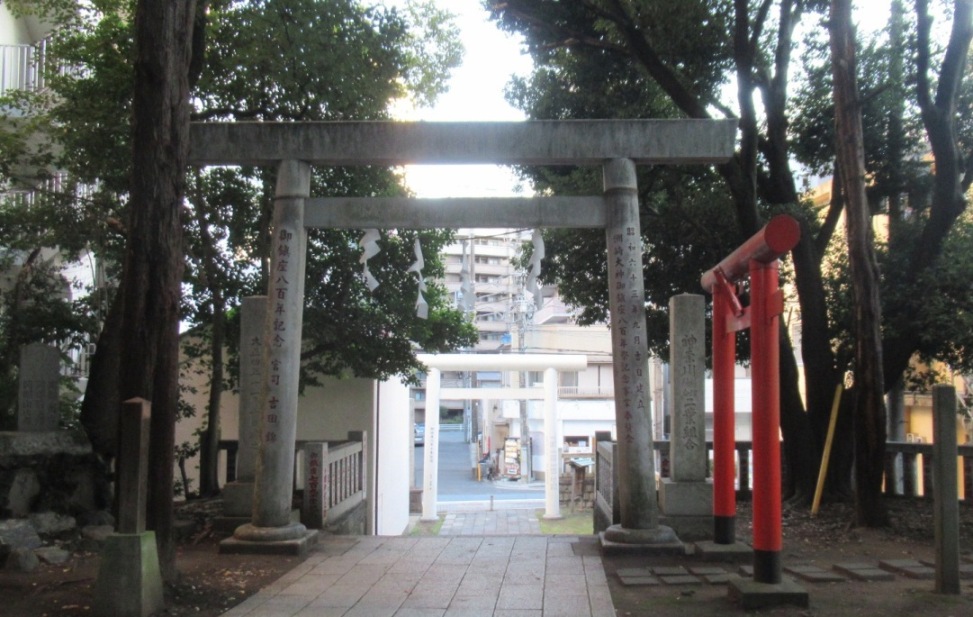
Sasago River flowes along Old Koshu Kaido. (See the top photo)


I arrived in Shirano shukuba station. It was also a small shukuba station.


I moved westwards and found several factories, such as lumber mills, at the sides of the road.


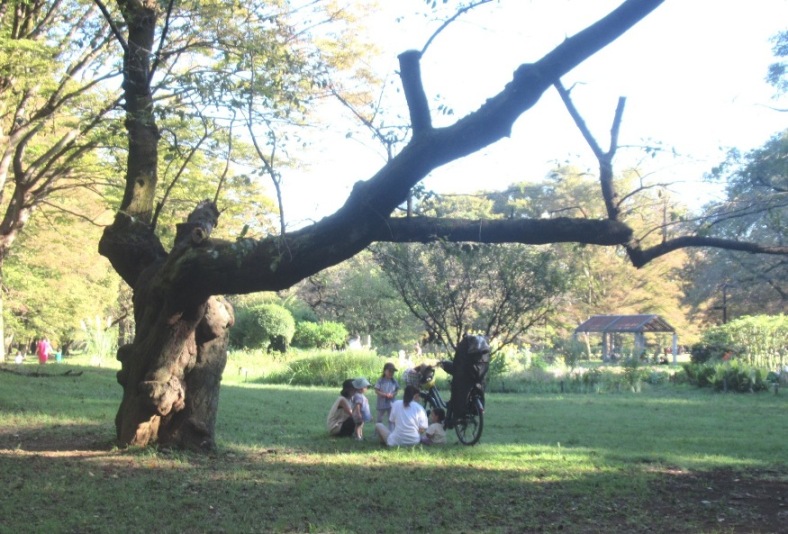
I moved into Amida-Kaido shukuba station. It was also a small shukuba station. (See the 2nd photo)

There is a brewery of Japanese sake. An antenna shop is open there. 


2023-10-15

Kanagawa shukuba in Yokohama (Tokaido updated): Oct. 13, 2023


I walked old Tokaido route in Yokohama for the first time since 2010.


Tokaido was a road which connected Edo (Tokyo) and Kyoto in the Edo era. It was about 550 km. It had 53 shukuba stations, where accommodations were ready.


I walked whole route of Tokaido and visited 53 stations, including Yokohama, between between 2010 and 2015.

The historical sites are preserved as they were about ten years ago. Still, I found some changes in the town.


There spread Kanagawa shukuba station in the area near JR Yokohama station in the Edo era. The shukuba station was about 3km long.

Main inns were built around Takinogawa River in the Edo era. (See the top photo) The buildings have been disappeared. Only the sign boards remain today. 


Many temples remain along aold Tokaido.

Some of the temples were used as residential sited of foreign peoples, who visited Japan from Europe and the U.S. in the late Edo era and early Meiji era (late 19th century).

James Curtis Hepburn, an American missionary who introduces Hepburn-style Latin alphabet to Japan, once stayed Jobutsuji Temple.


Old Tokaido has been converted into residential roads, shopping streets and wide main roads. JR Tokaido Line and other railways run along Tokaido. (see also the 4th photo)


The Kanagawa port located in front of Susaki Shrine. New lands have been made after the Meiji era. So, we cannot see the sea today from the shrine. (see the 2nd photo)


Tokaido runs on a hill in some part. The landscape of the port from the hill was beautiful in the Edo era and many Ukiyo-e were drawn from the place. 

Many apartment houses stand here today.(see the 3rd photo) Some memories remain along along the road.


A traditional Japanese-style restaurants remains along the street. Oryo, the wife od Sakamoto Ryoma (Japanese hero in the Meiji Revolution ear) once worked here.


Nearly 3 million people use JR Yokohama station every day in 2022. It is the 3rd largest number after Shinjuku and Ikebukuro in Tokyo respectively.


Kagura in Kenchoji Temple, Kamakura: Oct. 7-8, 2023


I attended a Kagura event held in Kenchoji Temple, Kamakura, about 50 km south from Tokyo.

Kagura is a ritual performance with more than 1000-year history. Masked performers dance on a stage on the music.


Kagura and other traditional arts played important roles to unite the local communities in Tohoku area after the Great East Japan Earthquake in 2011. Kagura was played in Kenchoji every year since 2013 to commemorate the disaster.

The performance this time was played by Ishihatooka Kagura group of Hanamaki City, Iwate Prefecture.


A temporal stage was built in one of big buildings of the temple.


Two programs were performed on Oct. 7 and 8 respectively. More than 200 people watched the play the performance each time. (See also the 3rd photo)


Kenchoji has many historic buildings and beautiful gardens.


Many tourists visited the place.


2023-09-27

Mt. Fuji from Shizuoka: Sept. 24, 2023


I visited Shizuoka City, about 180 km (by rail) southwest from Tokyo.

I walked various places in the city, including central city and Abekawa River area.

I enjoyed the views of Mt. Fuji from various places. The views were so beautiful today.


Mt. Fuji stood over the towns. It is a scene from an observatory of Shizuoka Prefectural Offics building. It is 82 meter high.


The ruin of Sunpu Castle – now it is used as a park – lies below the observatory building.


I walked along Abekawa River from Abekawa Bridge to the river mouth. It was about 4 km. (See also the 3rd photo)

Abekawa Bridge was first built in the Meiji era (about 150 years ago) on the route of old Tokaido, which had connected Edo and Kyoto in the Edo era.

Mt. Fuji looked beautiful from the bridge.


Shinkansen Bullet trains cross the river over a bridge.

Most tall buildings have been built in the last half century.


The river is nature rich. I found birds staying on the riverbank. (See also the 2nd photo)


I arrived at the month of the river.


Abakawa River flows from the South Alps mountains. It is about 60 km long. It flows into the Suruga Bay.


It is a photo of Mt. Fuji’s from the river month.


The color of Mt. Fuji turned red in the evening. Hokisai’s famous “Red Fuji” delivers this image. (See also the top photo)


2023-09-18

Meiji Shrine: Sept. 17, 2023


Meiji Shrine is one of my frequent-visit places.

Some information on the shrine is described in other posts. (e.g. an article ofSept. 13, 2022)


The shrine was crowded with many visitors, especially foreign tourists.

We got in the shrine through an entrance gate.  (See also the top photo)


Then, we walked some 10 minutes before arriving at the main shrine buildings.


There are another gate standing just in front of the main buildings. 


Many visitors were writing their wishes on a small tablet called ema, and hang them on a special boards.


The visitors’ wishes were written not only in Japanese, but also in many foreign languages. (see also the 2nd photo)


Yoyogi Park: Sept. 17, 2023


It is the middle of September, but hot days still continue in Tokyo. The temperature goes up over 30 degrees almost every day.

I visited Yoyogi Park today.

It was Sunday and there were many people relaxing themselves.


Some were sitting at the side of a pond.


Other were on the chairs.


Some families were enjoying footballs.


Some enjoyed kick-boarding.


Others played drams.

I found there were many foreign people in the park.


The park provides mist shower services for the visitors.