2012-05-13

Ginza: May 12, 2012


We find Japan’s new business and consumption trends every time we visit Ginza, Tokyo’s most famous shopping center.
Shops were holding Mother’s Day special sales. People were enjoying shopping and walking in the early-summer weather.


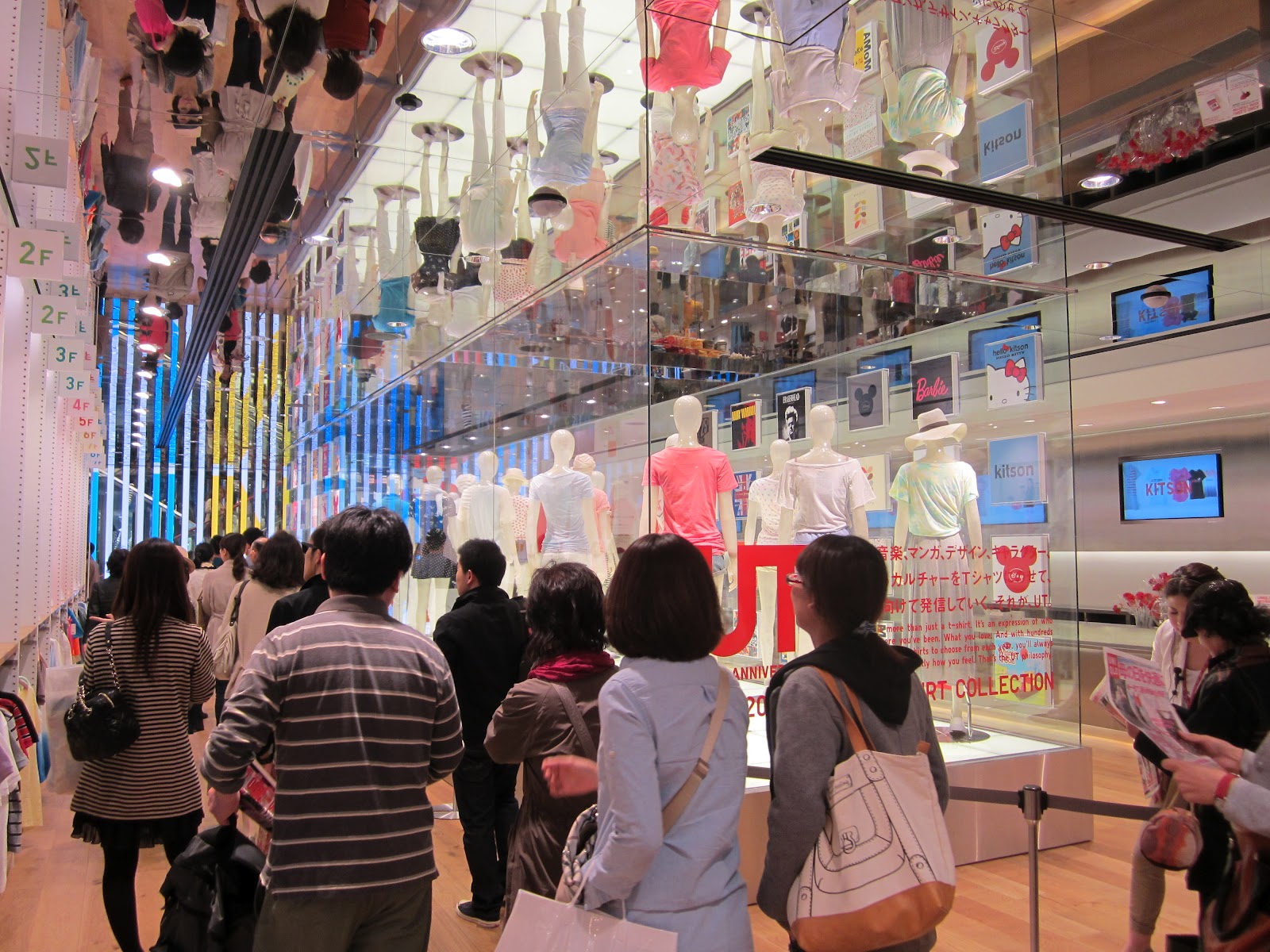
I visited Uniclo’s new store, which opened in mid March. It is the largest of the company’s about 1100 stores in the world (and about 850 in Japan).
The store is 12-story high. They have floors for women, men and kids. Some floors were used for new type of T shirts and for cool-biz goods.


The shop was crowded. Chinese, Korean and other foreign languages were heard there. The shop is becoming a must-visit place for Asian tourists to Japan, according to some tourist guidebook.
The messages in the electronic display boards were and eye-catching and strong. I felt a sense of speed (unlike other old Japanese companies) in the store.


The changes of luxury brand stores such as Hermes, LOUIS VUITTON and Giorgio Armani are rapid (both in opening/closing and the shop’s renovation). Some stores were different from their appearance three months before.
Special event was held to support Tohoku district, which was hit by earthquake and nuclear disaster last year. 14 months have passed since 3.11, 2011.


Tokyo Port Festival @ Harumi: May 12, 2012


I have already walked many times in the Tokyo Bay area. (see Tokyo Bay Walk 1, 2, 3, )


Today, I visited Harumi pier to join Tokyo Port Festival.
The festival is held to celebrate the opening of the Tokyo Port in 1941.

Some special exhibitions were held. I had an opportunity to visit a dredging ship, which is dredging sands in the Tokyo Bay.


Parents were taking pictures of their children with coast guards.


Canals run around the area. Many tall apartments have been built in this 30 years in the area.


2012-05-05

Kite Festival @Hamamatsu: May 5, 2012


I had a little side trip to Hamamatsu City during my Tokaido walk. The visit was to enjoy the city’s famous Kite festival.
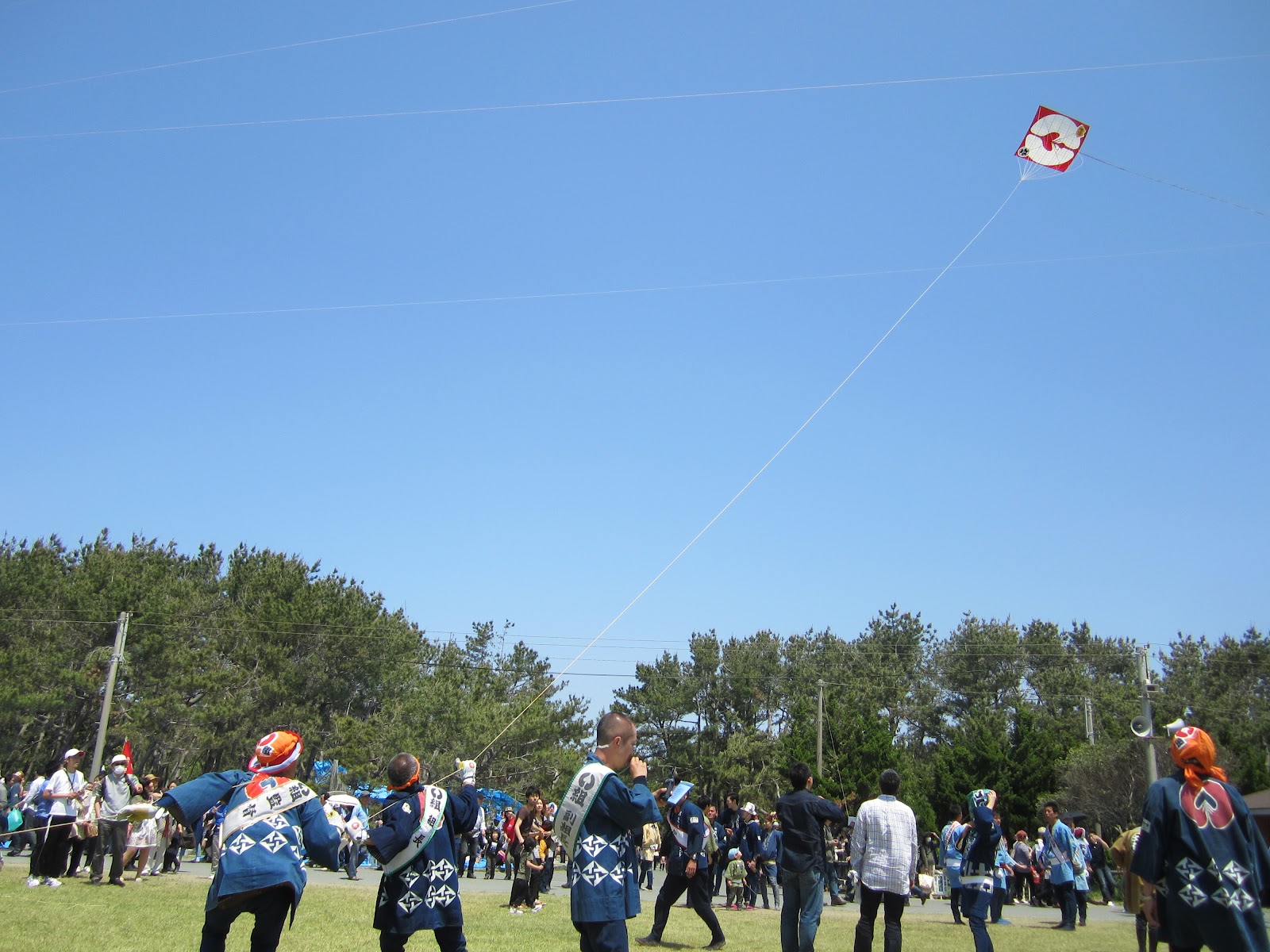
Tens of huge kites (more than 3x3 meters large) were flying in the blue sly when I arrived in the festival site near the sea.


The kites are made and raised by more than 100 teams organized by local communities. The designs were different by the teams.


All members of the team – old and young, men and women --were working together in concert. They were wearing same traditional costumes, marching in the field, playing the trumpet together and working to raise the kite. The ties among the community members seemed to be strengthened by the festival.


Thousands of tourists were enjoying the festival.
The ropes are more than 1000 meter long. They were using special instruments in addition to men powers to operate the kites.

Competitions to fall another team’s kite were also held. They attacked opponent’s kite by contacting the ropes.


Landing the kite softly seemed difficult. I saw some kites made hard landings to the ground.


It is said that the festival originated about 450 years ago. By raising kites, people celebrated the birth of their first sons. The tradition remains. Some kites are raised to celebrate the birth of new babies.


The sea outside the festival site was wide and wild. The was strong and the ripple marks changed every minutes.


In the night, they had a march of floats in the central city.


Tokaido Walk (20) Fukuroi-Mitsuke: May 5, 2012


Following to yesterday’s walk, I went ahead to Mitsuke, the 28th shukuba station.


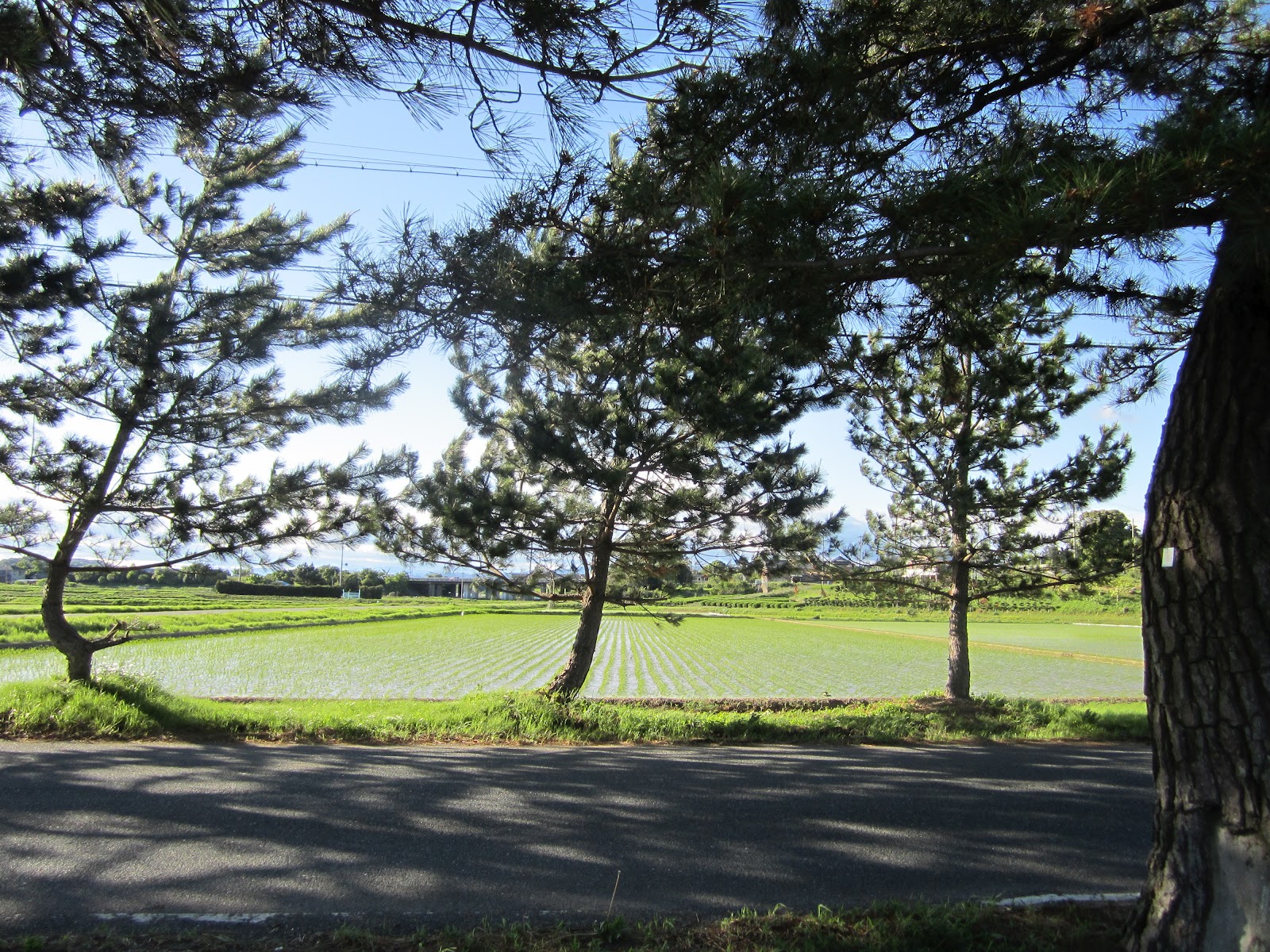
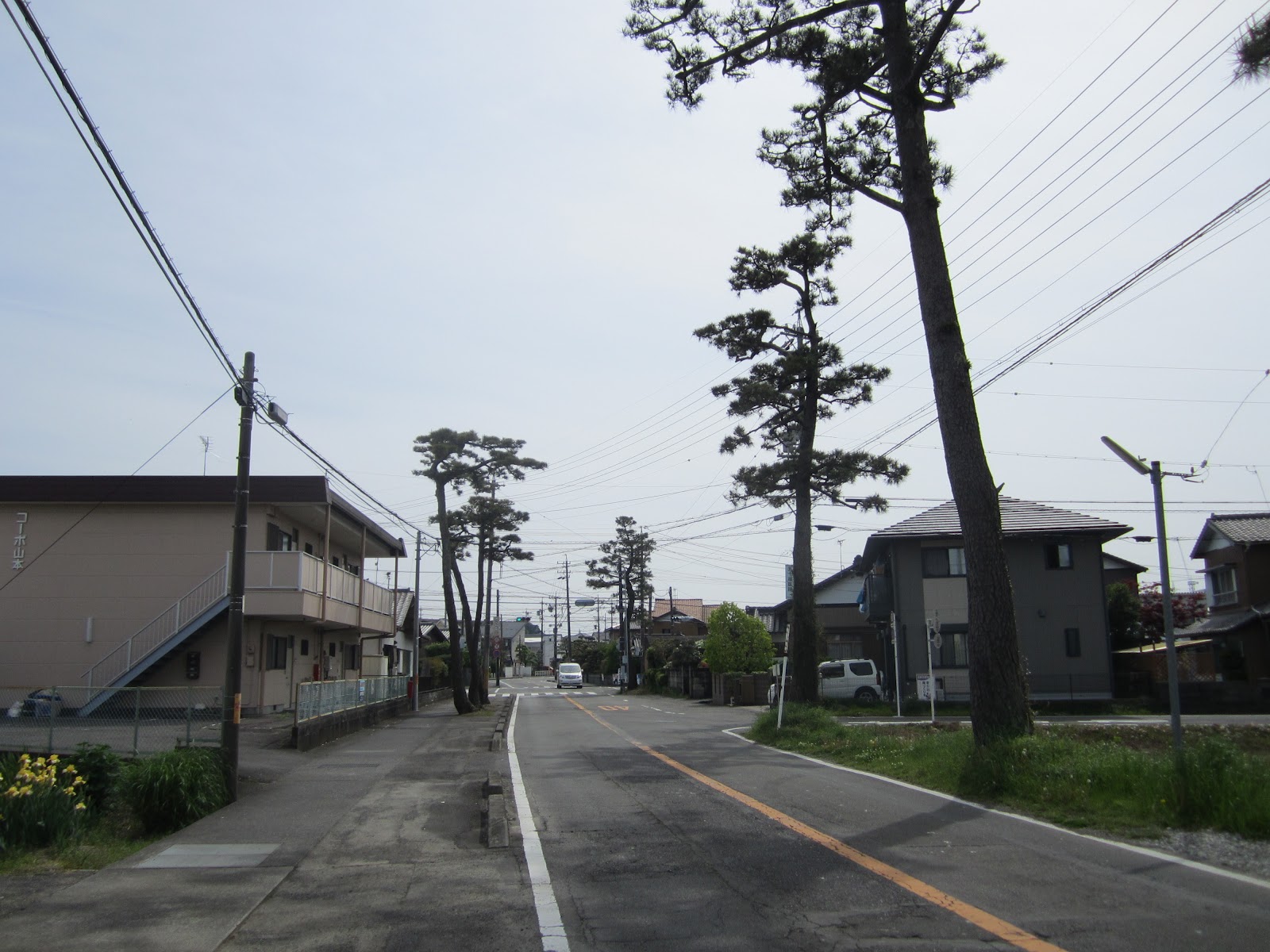
Tokaido goes along residential areas and rice and tea fields in this area. Lines of pine trees remain in some places.

I dropped in a kite shop along the street in Fukuroi. Kite-flying has been popular in and around this area.


Mitsuke is in Iwata city, Shizuoka Prefecture. The city is not so big, but is famous as a “sport city”. It host a popular football team Jubilo Iwata. I saw posters, flags and other Jubilo-related things throughout the city. I also found handprints and footprints of football stars copied in the plates in the main street of the city.


Iwata is a home town of Yamaha Motor and has main factories of Suzuki.
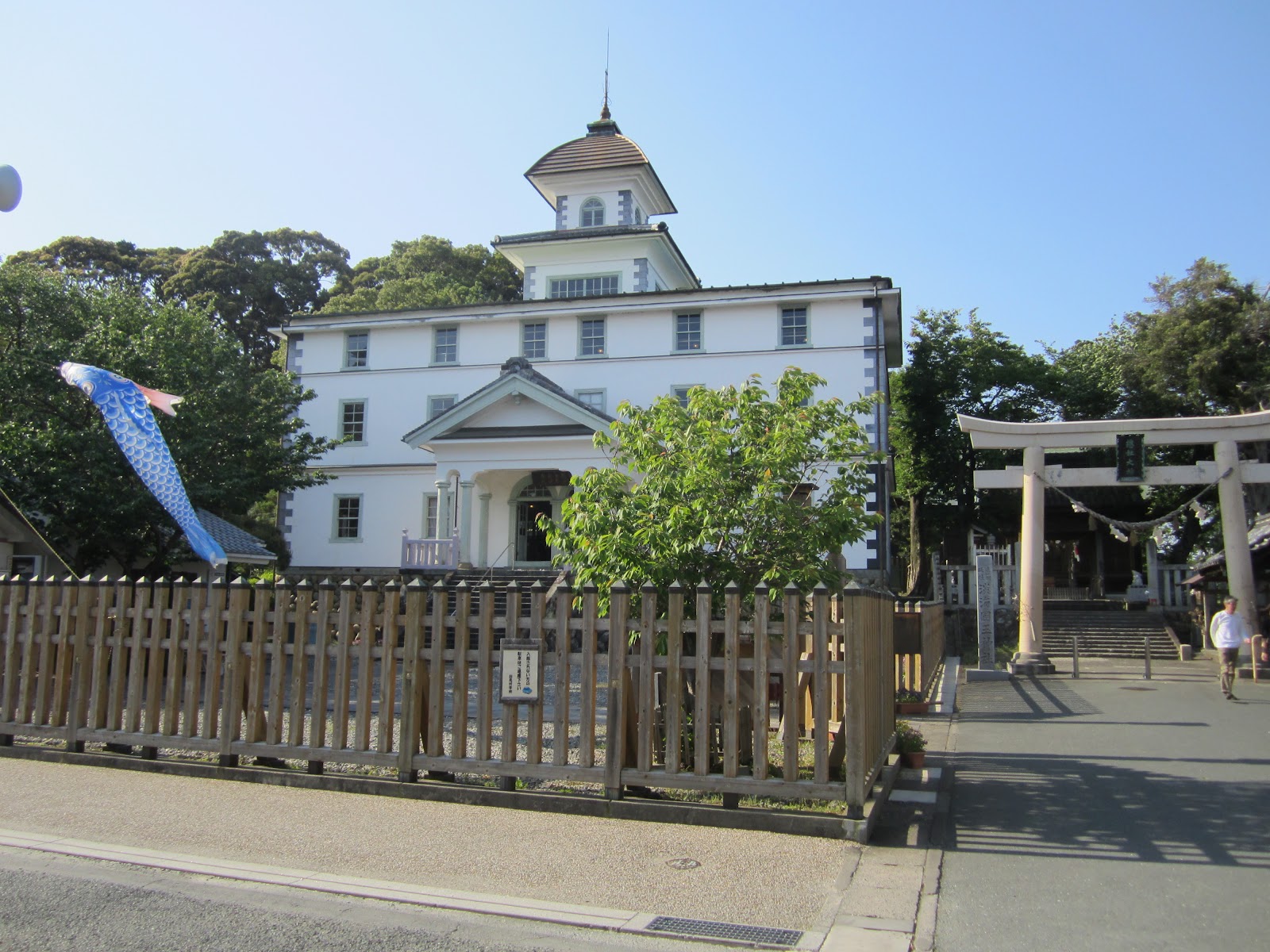
The oldest building of the nation’s elementary school remains near Mitsuke station.


Tokaido Walk(19)Nissaka-Fukuroi: May 4, 2012


It is my 4th day of Tokaido Wak this “golden” week holidays. I walked from Nissaka through Kakegawa to Fukuroi.

Fukuroi is the 27th shukuba station from Nihonbashi, Edo (Tokyo). It is the center of 53 stations (excluding Tokyo’s Nihonbashi and Kyoto’s Sanjo-Ohashi, the starting and finishing point of Tokaido). It is about 230 kilometers from Tokyo.

Nissaka is a small station in the mountainous area (as is described in Tokaido Walk (18) blog). Nature-rich shrines and temples stand along the street. The fresh green of tall woods at Kotonomama Hashiman Shrine was so beautiful.


I arrived in Kakegawa station. A castle stands along Tokaido. The castle was rebuilt in 1994. A festival was held at a park in front of the castle.


Kakegawa is known as a place to collect tea leaves and make tea products. I found tea factories along the street.


It is a season when people plant new rice in the flooded fields. I saw paddy fields spread along pine-lined Tokaido in Kakegawa and Fukuroi. It is a scene drawn in many Ukiyoe pictures in the Edo era.


“The middle town of Tokaido” (Tokaido Do-man-naka) is seen everywhere in Fukuroi. The phrase is also found in a entrance plate of an elementary school.


2012-05-02

Tokaido Walk(18) Kanaya-Nissaka:April 30, 2012


It is the third day of my “Golden Week” holidays. I walked from Kanaya to Nissaka.


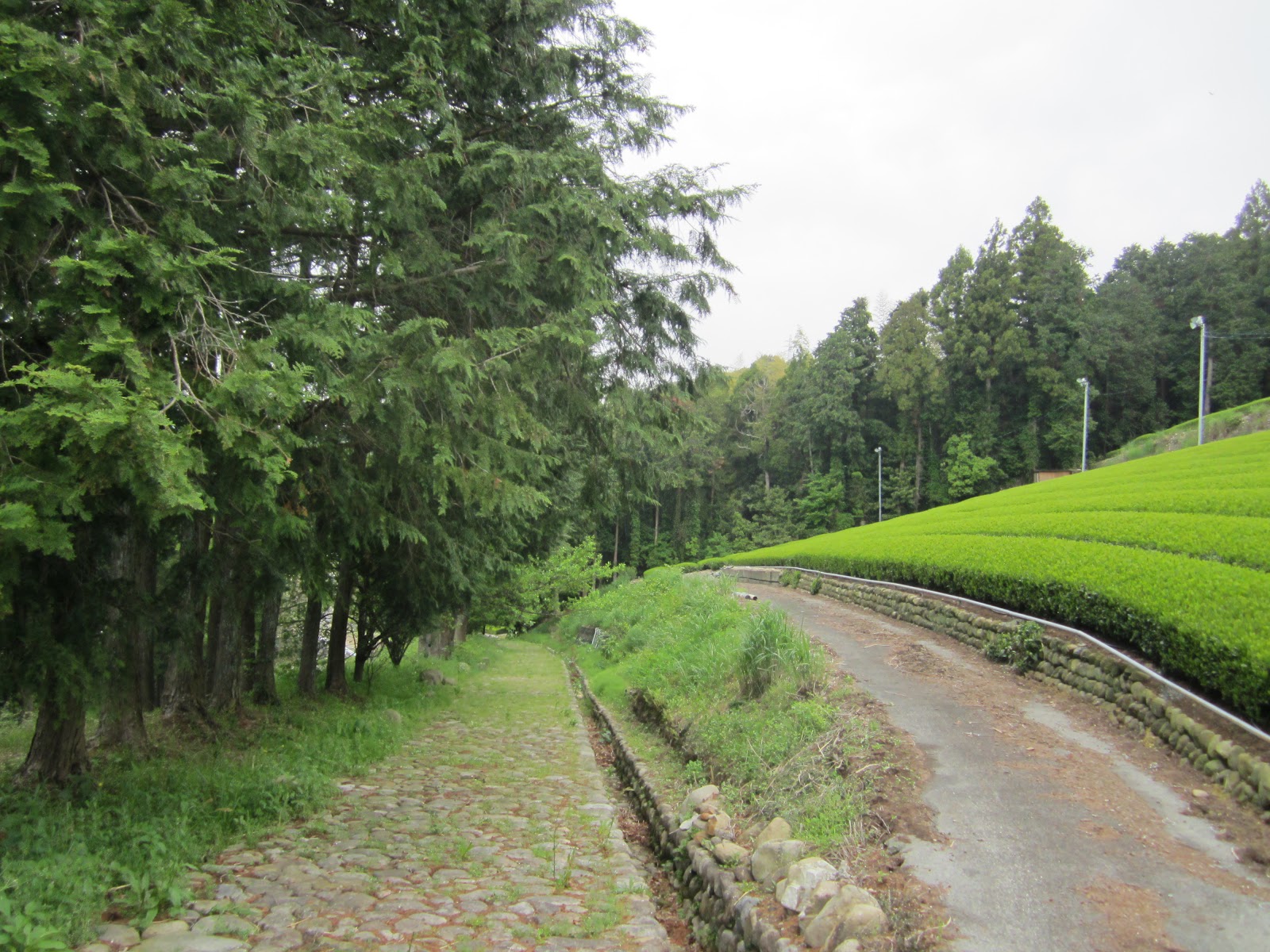
The area is hilly and mountainous. There spread tea fields everywhere in the region. New tea leaves was just grown.  The air was fresh.


People usually start picking up tea leaves in the 88th day from the new year in old calendar (usually Feb. 4th). It is around May 2nd.

The seasonal scene is described in a popular Japanese song Cha-tsumi (tea picking):


-- Natsu mo chikazuku hachiju-hach ya
No nimo yama nimo wakaba ga shigeru …
(It is the 88th day from the new year and
fresh green appears in the fields and mountains … )

It was the first day of tea picking in some fields. I saw many farmers (some of them wore traditional Japanese straw hats) working hard in the fields.

It was fun to exchange words with them taking lunch at the side of their fields.

Oi River flows under tea-field hill near Kanaya station. I found many polls standing in the fields. They have rotating fans on the top, which defend the fields (with their moves and sounds) from birds.


I climbed Nakayama Pass. It was one of three steepest passes in Tokaido (another two are Hakone Pass in Kanagawa Prefecture and Suzuka Pass in Mie Prefecture).

The road was covered with stones. They repaired the road about 10 years ago and the situation in the Edo period was restored.


This area is also famous for a great “waka” poet Saigyo. One of his most famous works was written here.


-- Toshi takete mata koyubeshito omoikiya
inochi narikeri Sayono Nakayama
(I have not even dreamed of returning to this place after getting old
I strongly feel “life” at Sayo no Nakayama)


I arrived in Nissaka, the 25th station. It is a small town in the mountainous area.


Tokaido Walk (17) Okabe-Kanaya: April 29, 2012


I walked more than 20 km from Okabe through Fujieda and Shimada to Kanaya in my 2nd day of my Golden Week holidays.

It was a sunny and warm day. The sky was blue and the light was bright. I saw fresh green everywhere along the street.

I also found flyings carp in many places. People in Japan display the carp to cerebrate the boy’s festival (Children’s day) on May 5th.

I dropped in an old inn at Okabe, the 21st shukuba station from Nihonbashi, Tokyo. The replicas of travelers in the Edo era were placed inside the building. The town is trying to make the best use of their historical resources to activate the area.


Fujieda, the 22nd station, is famous for “Fuji” or Japanese wisteria flowers. The city’s name includes “Fuji”.


They held a Fuji festival at Rengeji-ike Park in the central city. Light purple flowers were fully open and they smelled so nice. Many family were enjoying the flower as well as nice weather.


Tens of flying carp were floating over a pond.


Pine trees remain along Tokaido in Fujieda and Shimada city, the 23rd station.


I passed 200 km point from Tokyo in Shimada ciry.


I found some fields covered with small purple flowers of Chinese milk vetch (Astragalus). It is a scene wedely seen troughout the nation decades ago. The ground will shortly be turned and rice will be planted. The Chines milk vetch will be fertilizer of the field.


I arrived at Oi River. The river is one of the most famous ones in Tokaido.

The river flew so rapid in the Edo era and travelers were forced to wait days when the water was affluent.

Even today, the following phrase is wadely known:
-- Hakone hachiri wa uma demo kosuga
Kosu ni koserenu Oi Gawa,
(We can cross the steep Hakone Pass with a horse,
but we cannot cross Oi River when the condition is not good ...)

I just walked about a kilometer on the bridge and crossed the river.


I arrived in Kanaya, the 24th station. I again found a school of flying carp over a small river in the town.

2012-05-01

Tokaido Walk(16) Fuchu-Okabe: April 28, 2012


“The Golden Week” holidays started. I resumed my Tokaido walk. Today’s course was from Fuchu (Shizuoka City) through Mariko to Okabe (19th to 21st “Shukuba” stations from Nihonbashi, Tokyo).


Tokaido makes zig-zag bend in the central part of Shizuoka City. The first Tokugawa Shogun Ieyasu and other important persons stayed in the castle in the city. The zig-zag road was made to defend  the castle from the enemy's sudden attack.


Old Tokaido has turned into a busuy shopping street in the central part of the city. An Artist was playing street performance.


I crossed Abe River and proceeded to Mariko. The place is famous for Japanese yam soup dish called Tororo. The food is often described in books, including famous "Tokaidochu Hizakurige", in the Edo period.

Choji-ya restaurant is especially famous. I found several monuments around the restaurant.


I crossed over Utsunoya Pass and arrived in Okabe. There were many bamboo trees along the mountain road.


It was a season of bamboo shoots. I saw several farm houses selling the shoots.


2012-04-26

Fresh green @ Gotokuji Temple: April 22, 2012


Following yesterday’s stroll, I had a walk to enjoy spring flowers and fresh green.
I walked along a walking path and visited Gotokuji Temple.


There are maple, pine and other trees in the garden. New leaves have just come out of the trees. These trees appealed fresh green and mountain cherries appealed pink. The plants, tower and graves harmonized well in the sceine.


The temple was calm. Bird songs were sometimes heard.

Spring flower and fresh green @ Baji Park: April 21, 2012


It is getting brighter and warmer. It’s time to enjoy spring.
I visited Baji Park (Equestrian Park) to see spring flowers and fresh green.


Japan’s most popular Someiyoshino cherry blossom has already finished in Tokyo. The blossom of mountain cherry is its peak now.


There are hundreds of mountain cherry trees in the park. The flowers open after new leaves grow. So, the contrast of pink (flower) and green (leaves) was impressive. (In the case of Someiyoshino, flowers open before the leaves grow.)


Tulip, violet and other spring flowers were full open in the flowerbeds.


New leaves have just grown in the tall trees in the woods. Families enjoyed the nature.