2011-01-30

Shinbashi, Shiodome: Jan. 30, 2011


We have very cold winter here in Tokyo this year. It is not comfortable (and probably not good for my health) to walk long in the strong north wind. So, I had a short walk today.
I visited Shinbashi – Shiodome area near Tokyo station.

Shinbashi is known as the birthplace of Japan’s railway. The country’s first railroad services started between Shinbashi and Yokohama in 1872, five years after the Meiji Revolution.
There is a locomotive in the open space in front of current Shinbashi station. There are many other railway-related monuments and facilities – including railway museum – in the area.


The east side of Shinbashi station is called Shiodome area. The district was used for cargo distribution and parking of the trains until the 1980s.

Business and commercial facilities were redeveloped in the early 2000s. There are more than ten skyscrapers and 60 thousands people work here. The complex is called “siosite”.


I visited Advertising Museum Tokyo (Museum of Advertising and Marketing) in the complex. They held an exhibition of “the best advertisings for consumers in 2010”. It was interesting.

2011-01-09

Winter Scene and the 1st ume blossom @ Hanegi Park: Jan. 8th, 2011


We have had chilly days after the start of a new year. Tokyo’s temperature went down to sub-zero and we had ice in the pond and water pool here and there.

I walked to Hanegi Park in Setagaya ward. The park is famous for its ume (Japanese plum) blossoms.

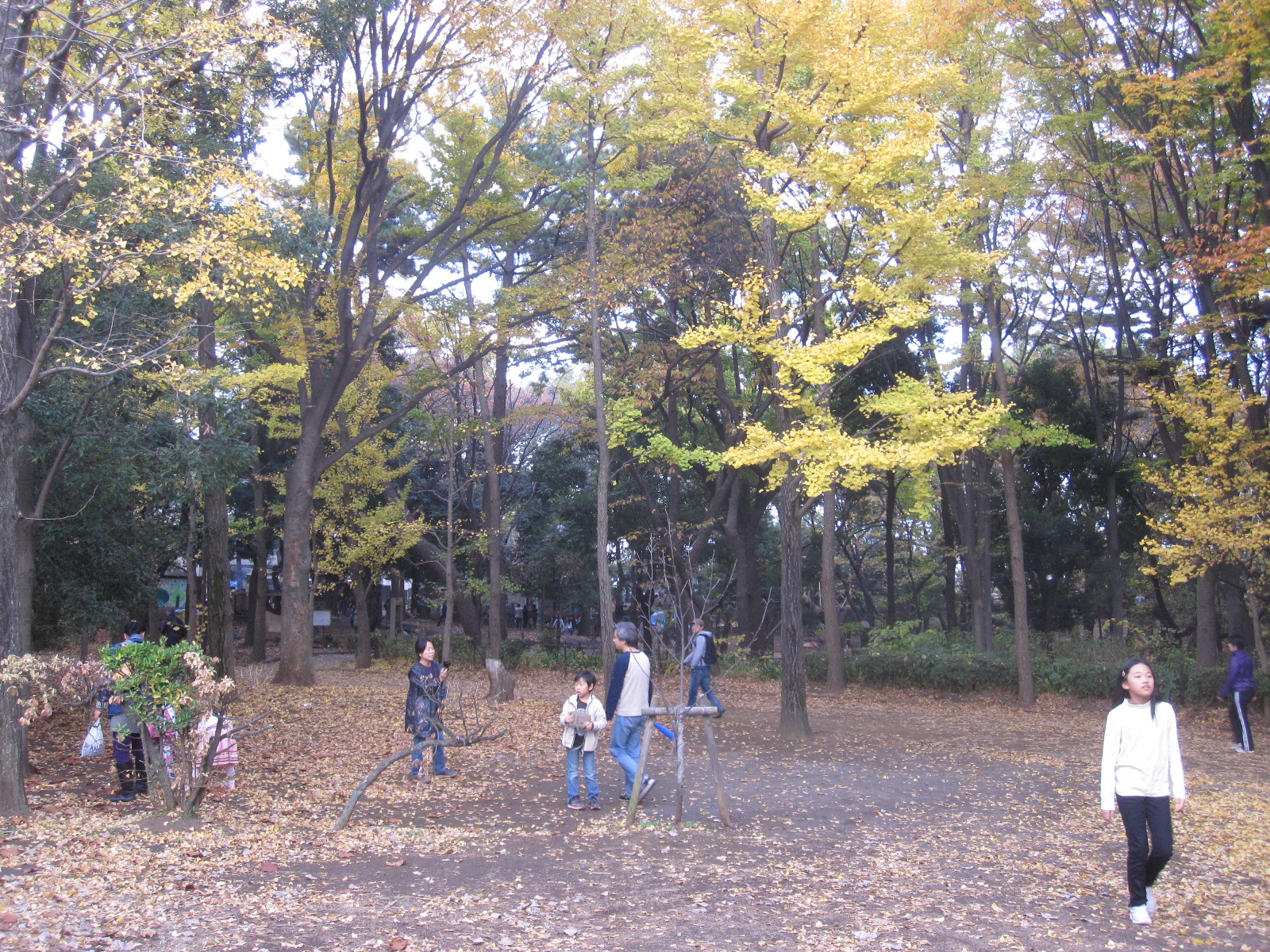
The Ume trees as well as gingko and other trees had no leaves. Brown color dominated the scope and it was typical winter scene.

However, I found white ume flowers open in a few trees. I did not expect to find a flower in new-year season. We usually have the ume blossom in February and March.


The sunset scene over the ume trees was beautiful.

2011-01-03

Hatsumode @ Yoyogi Hachiman, Meiji Shrine: Jan. 3, 2011


Many Japanese people visit shrines at the beginning of a year. It is called Hatsmode.

I visited two shrines today. They were Yoyogi Hachiman Shrine and Meiji Jingu Shrine.

Yoyogi Hachiman celebrate 800 anniversary this year. It is one of Tokyo’s oldest and well known shrines. Several hundreds people were making a line in front of the main building.

Meiji Jingu Shrine has only about 100-year history as it was built by the Meiji government. But it is huge and is one of the most famous shrines in Japan. The shrine is surrounded by deep woods.


Millions of people visit Meiji Shrine for Hatsumode every year.

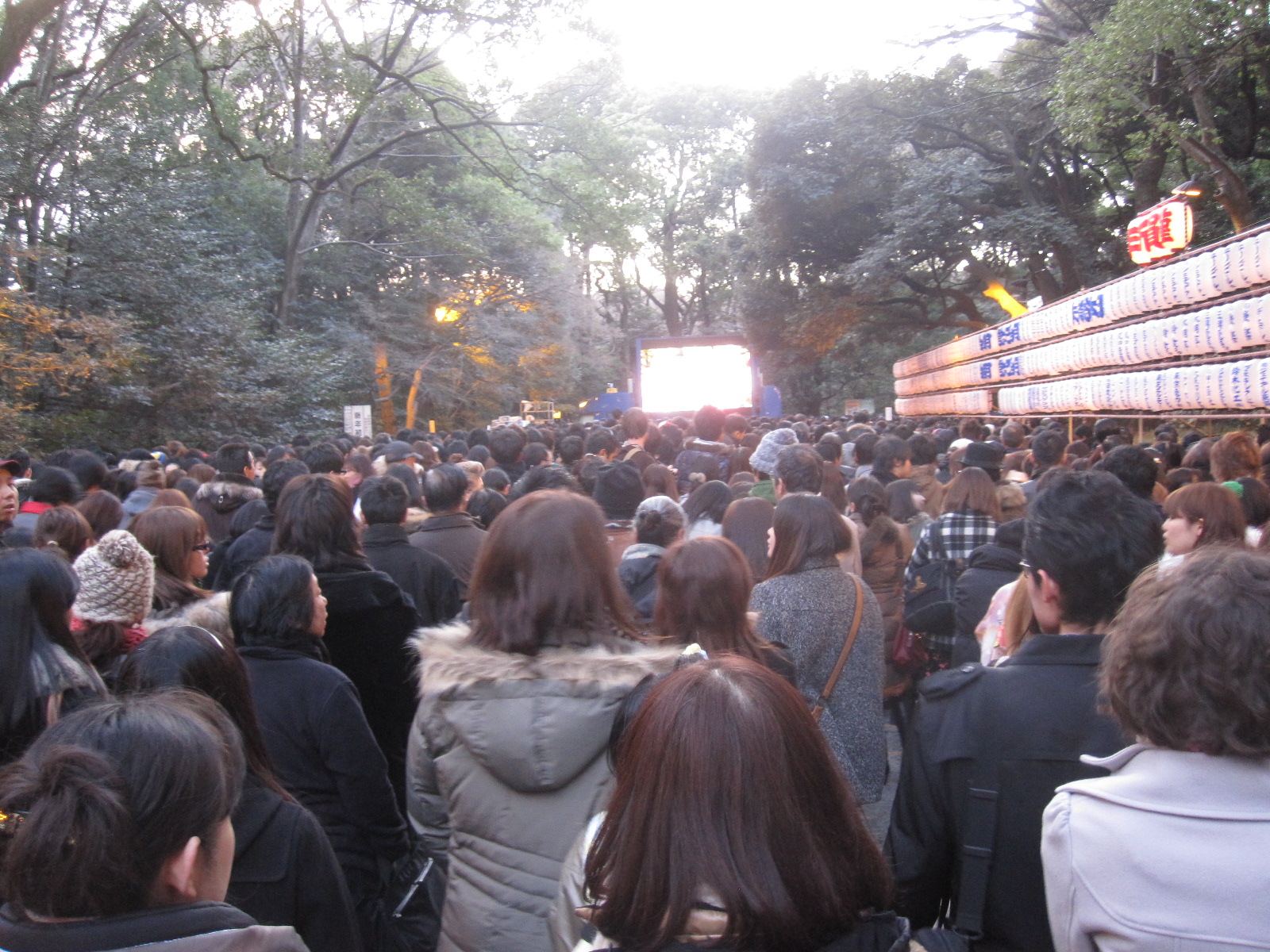
The road to the main road was so crowded. Tens of thousands of people were making a line heading to the main building when I arrived there. Policemen called that it would take at least two hours to proceed to the main building and I gave up.


I passed Yoyogi Park on the way Yoyogi Hachiman to Meiji Jingu Shrine. People enjoyed kiteflying. Two men were making soap bubbles. Many children were enjoying it.

2010-12-12

Tokaido Walk (5) Totsuka-Fujisawa: Dec.11, 2010


I had the 5th part of my Tokaido walk. It was from Totsuka (the 5th shukuba station, in current Yokohama city) to Fujisawa (the 6th station, in current Fujisawa city).


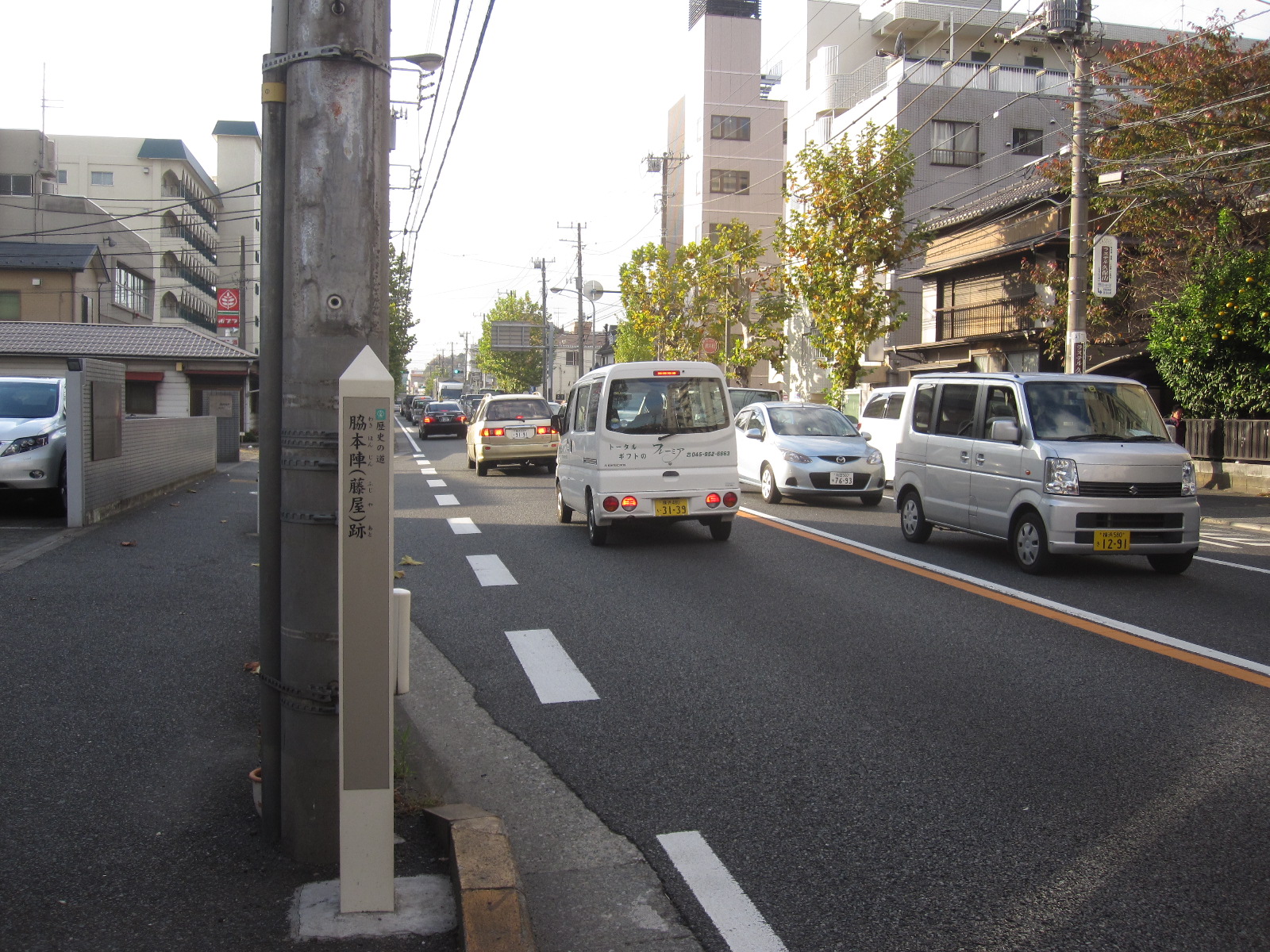
Most parts of old Tokaido in the area has turned into National Rout 1. The roads are generally hilly, but houses are built along the roads. I found many houses and apartments spread at the foot of a hill when I watched down from a hilltop.


A long-distance relay race (Tokyo-Hakone) among major universities is held every new-year season and the race attracts the attention of many Japanese. Old Tokaido is used for the race. I found manhole covers with relay-race design.


2010-12-05

Chofu City; Dec. 4, 2010


The most popular (recognized) phrase of the year is a common topic at year end among Japanese people.

A publisher Jiyu-kokuminsha announced the popular phrase of 2010 in late November. It was “Gegege”, a phrase taken from an essay’s title “the Wife of Gegege”. The essay focuses on the life of a famous comic writer Shigeru Mizuki and his wife.

Chofu Cit, western suburb of Tokyo, is where Mizuki and his family live.
We found his comic characters in the town. They include Kitaro,

Negzumi Otoko and Neko Musume – all are lovely monsters with miracle powers.

They sell Kitaro related goods at the city’s tourist center.


2010-11-28

Higashi Ikuta Green Field (off Tokyo) :Nov. 27, 2010


I walked in a walking path developed through green fields in Ikuta, Kawasaki city.


The area was an undeveloped hill until the 1950s. Many houses and apartments were developed after the 1960s.

The hills were covered with various trees including sawtooth oak, quercus serrata, cedar, cherry, gigko, and bamboos. The hills were colored with green, yellow and red.


I stepped up a long stair which leads me to reservoir. The stair is more than 200 steps. The view from the top was fantastic.

A small shrine was in the field. A red shrine gate and a yellow gingko tree made a good contrast.

2010-11-24

Autumn Color @ Koishikawa Botanical Gardens: Nov. 23, 2010


Ask Tokyo’s people the best place to enjoy autumn red of maple. Many people may answer “It’s Koishikawa Botanical Gardens”.


There are tens of maple trees in both side of a small street in the garden.


Several trees were all red. Many had partly green and partly red leaves. The combination of red and green was so impressive.


There were many gingko trees, too. Some of them were nearly 20 meter high.

The leaves of Enkianthus were also turned red. I enjoyed the combination of red, yellow and green leaves in the Japanese garden.

Autumn Color @ Meijijingu Gaien: Nov. 23, 2010


I visited Maijijingu Gaien (outer garden) with my guest today to enjoy autumn color of gingko trees. The gingko trees are famous in Tokyo and they hold “Gingko Festival” in November.

I also visited the place last year. I choose the gingko street (with some other options) when I am asked the best places to enjoy Tokyo’s autumn color.


There are 146 gingko trees in 300-meter street.

The contrast of yellow leaves and blue sky is impressive.

The smell of gingko fruits was also impressive.


There were many open-air stalls in the festival site. The foods included Central Asian chicken food, Thai noodles, Chinese foods and many kinds of Japanese cooks.

Autumn Color @ Hanegi Park: Nov. 21, 2010


The color of the trees changes every day in this season. I visited Hanegi Park in Setagaya ward today.
The park was colored with red, yellow, brown and green.

Men and women were walking (sometimes with their dogs) in the park. Children were playing on the grounds covered with fallen leaves.

2010-11-21

Tokaido Walk (4) Kanagawa-Totsuka (off Tokyo): Nov. 20, 2010


I took the part 4 of my Tokaido walk today. It was from Yokohama (Kanagawa shukuba station) to Totsuka shukuba station.

Old Tokaido runs through residential area near JR Yokohama station.

The road was flat from Nihonbashi (Tokyo) to Kanagawa Shukuba station (near Yokohama). Passing Yokohama, I found hills in the north side of the road. Houses and apartments spread to the very foot of the hills.


Between Yokohama and Hodogaya, I found followings:

- A small shopping street named Matsubara Street. Matsubara means a seaside field of pine trees. The place was quite near to the sea in the Edo era.

- An old bridge preserved in a small park near Tennoji railway station. It has been moved from nearby Kiji River. (top picture)


- The first meeting of old Tokaido and National Rout 1. Old Tokaido has been converted into Nation Rout 1 in many parts between Yokohama and Kyoto. Both roads run in parallel in other parts.


Hodogaya is the 4th shukuba station from Nihonbashi. Old hotels and station facilities remain here. JR Hodogaya Satation was build near the shukuba station.


Between Hodogaya and Totsuka, the 6th shukuba station, I found

- Old Tokaido, National Rout 1 and JR Tokaido Line run in parallel near Hodogaya.

- A steep slope called Gonta-zaka. This was the first hard place to walk for the travelers from Nihonbashi in the Edo era.


- The border between old Musashi prefecture and and Sagami prefecture. The former covers current Tokyo, eastern Kanagawa and southern Saitama while the latter covers western Kanagawa.

- Shinano-saka. Parts of the road were developed at the foot of cliffs.

- Shinano Milestone: The original form is preserved here. There is a pair of 9-meter-square milestones in both side of the road. Nettle trees were planted in the squares.


- Factories of Bridgestone, Polar Cosmetic, Yamazaki Bred and other companies: They stand along National Rout 1.


I arrived at JR Totsuka station. It is more than 40 km from Nihonbashi. Fast travellers walked the course (Nihonbashi-Totsuka) in a day in the Edo period.