2020-04-09

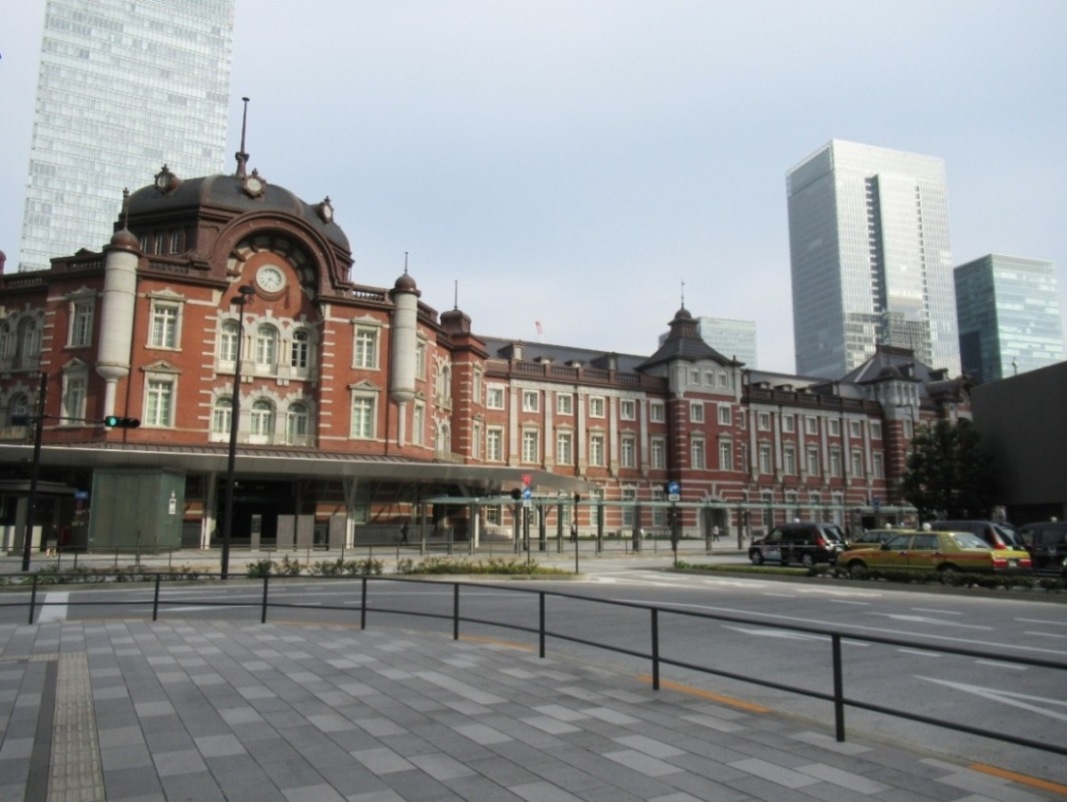
Tokyo Station under emergency declaration: April 7, 2020


Japan issued a declaration of emergency on April 7 on the outbreak of coronavirus in seven prefectures –- Tokyo, Kanagawa, Chiba, Saitama, Osaka, Hyogo, and Fukuoka.

The residents were requested stay home. Event centers and other facilities were asked to close.

Still, there is no compulsory power in the declaration. The situation is different from many countries in the point.

I visited Tokyo station.

The space in front of the station was almost empty. (See also the top photo)


The underground spaces and walkways were almost empty in the afternoon at around 3 o’clock.

Security-guard people were standing here and there.

Some of them were walking around. (See the second photo from the top)

There were few people walking in the business streets near the station.

The trains which run through Tokyo Station district are uncrowded. The 3rd photo is taken in a subway train of the Chiyoda Line.


Spring flowers and flesh green: April 4-8, 2020


It is April.

The world is shaken with the spread of the corona virus, but the season is changing.

It is getting warmer and days are getting longer.

The peak of the cherry blossom season has already over. The pink petals are falling on the ground.

Still, the trees still held flowers in the first week of April.

The new leaves began to grow in various trees.

The photo at the top shows a combination of cherry flower and ginkgo trees' flesh green. 

The second photo also shows cherry and flesh green. 

The left photo is the tulip trees at the Kitazawa walking path.

It is flesh green of the ginkgo trees in the Hanegi Park.

Now, violet and other spring flowers are open.


2020-03-24

Cherry Blossom @ Kitazawagawa walking path: March 22, 2020


The cherry blossom started in Tokyo.

It is about two weeks earlier than usual.

The coronavirus is spreading throughout the world now. The situation in Tokyo is better than Europe and the U.S., but the government asks the citizens to avoid having gatherings.

I visited Hanegi Park in Setagaya City.

I also walked along the Kitazawagawa walking path in Setagaya City, western Tokyo.

People usually enjoy cherry blossom picnics under the cherry trees.

I found some groups enjoying picnic under the cherry trees (neglecting the government's advises). Still, the number of such groups were fewer than usual,.


2020-03-21

Ginza under corona shock: March 20, 2020


More than two months have passed since the coronavirus started spreading worldwide.

Japan’s situation is better than European countries and U.S. for now. The reported patients are less than 1,000 and the victims are about 30.

In Italy, nearly 50,000 patients have been reported and more than 4,000 have been dead.

It is a national holiday in Japan today. I visited Ginza.

The roads were vehicle-free today. They were less crowded than before, but were not empty.

There were fewer guests than usual in the shops.


Most people I found were Japanese. The area had been crowded with foreign tourists before the corona shock.

The promotion signs of the Tokyo Olympic and Paralympic Games were displayed here and there. I found many sign poles on the street (see the top photo). The parasols were printed with Tokyo Games information.

It is not sure when the situation will return normal.


2020-02-29

Tokyo on the alert for the coronavirus, Feb 28, 2020


With a spread of the coronavirus diseases, the lives of people in Tokyo have significantly changed.

There are fewer people walking in the towns. Trains are less crowded.

Many companies have asked their employees to work from home.

People have rushed to buy masks and other necessities. We do not find masks in the drugstores.

There were fewer people walking in the underground shopping centers and passways around Tokyo Station, I found.

This is a photo taken at an underground passway in Marunouchi, in the west of Tokyo Station. (See also the 2nd photo from the top)
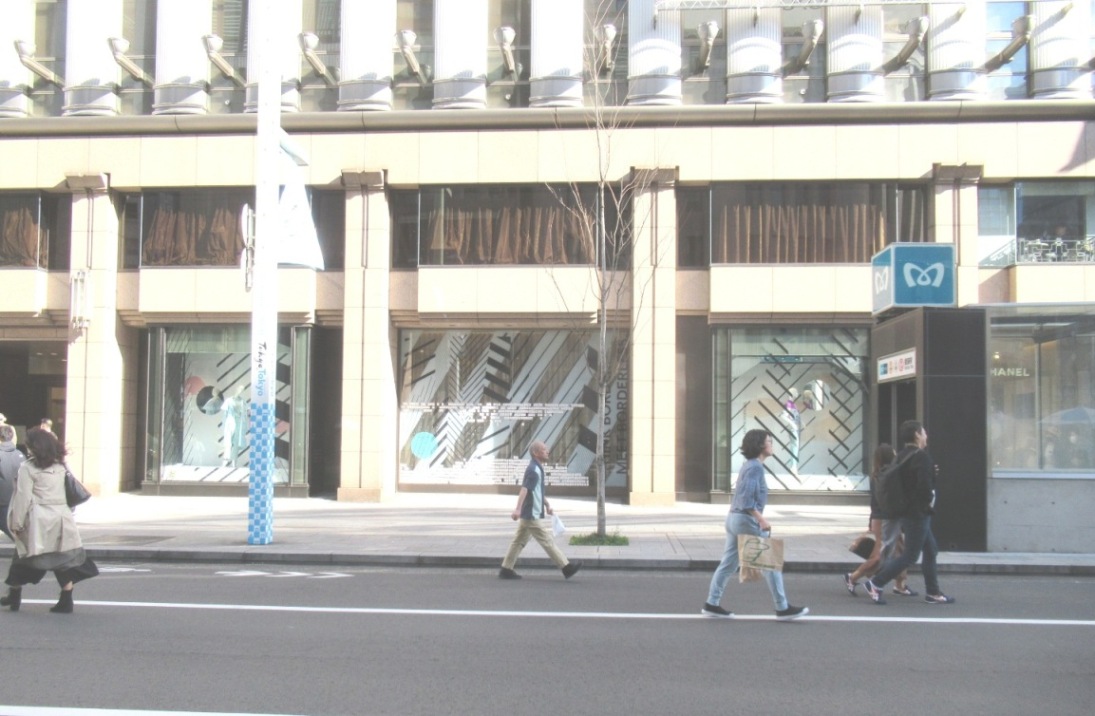
The Character street in the Yaesu underground shopping area, which locates in the east side of Tokyo station, is usually crowded with Chinese and other foreign tourists. Today, I found only a few tourists.

The passways in Yaes underground shopping area were also quiet.

The situation on the ground was same. Only limited number of people were walking in the business streets in Otemachi close to Tokyo Station.

Most people were masks in Tokyo today. The photo shows a scene at Tokyo station. (See also the top photo)


2020-02-08

Ume Festival @ Hanegi Park: Feb. 8, 2020


The Ume (Japanese apricot) blossom began.

They started Ume Festival at Hanegi Park in Setagaya City, Western Tokyo.

It is still cold -- we had the chilliest day yesterday in this winter in Tokyo. Still, the days are getting longer and the sun light is getting brighter.

I enjoyed red, white and pink flowers of Ume with blue sky behind.


There were many people enjoying Ume blossom in the park

I found many of them wore masks to keep them out of infection of corona virus and other diseases.

Masks are out of stock in drugstores in Tokyo at the moment.

This is a photo taken a week ago in the Hanegi Park. I found the moon and Venus over the ume trees. 

Impressive!


2020-01-06

New year’s visits to shrines and temples: Jan 1-4, 2020


The year of 2020 started.

I made a series of visits to shrines and temples (hatsumode) to pray a happiness in this year.

There were long queues in most places, I found.

Here are scenes of hatsumode:

Setagaya Hachiman Shrine (See also the top photo). 

I visited there on Jan. 1.


Gotokuji Temple (Jan. 1) (See also the 2nd photo)


Rokusho Shrine (Jan. 3)

It is a small local shrine in Setagaya City. A Shinto priest was walking in a traditional costume.

Kanda Myojin Shrine (Jan. 4) (See also the 3rd photo)

It is one of popular shrines in Tokyo. People needed to wait two hours in a line to make their prays.

Lucky cards were tied on special shelves.

I found people enjoying their drinks after making prays. 

Yoyogi Hachiman Shrine (Jan. 4)

I had the impression that the queues of new- year's shrine and temple visits (hatsumode) are getting longer every year. Which may reflect the changes of life styles of Japanese people. Aging of the society may lie behind.