2018-02-19

Historical places in Delhi and Agra, India (off off Tokyo): Feb 16-20, 2018


I visited Delhi and Agra for the first time in decades. There are many historical places there.

Lar Qila or the Red Fort was a place where the Mughal Emperors lived. It was built by the 5th Emperor Shar Jahan between 1639 and 1648. 


The fort is surrounded with long red walls.

There is a shopping arcade between the entrance gate and the main buildings.

Jama Masjid lies in the center of Old Delhi. It is one of the largest mosques in India.

We can see the scope of Old Delhi from the top the tower. 

Jantar Mantar is an observatory build in the 18th century by a Jaipur maharaja. It locates in the center of New Delhi. Tall buildings surroun the observatory.

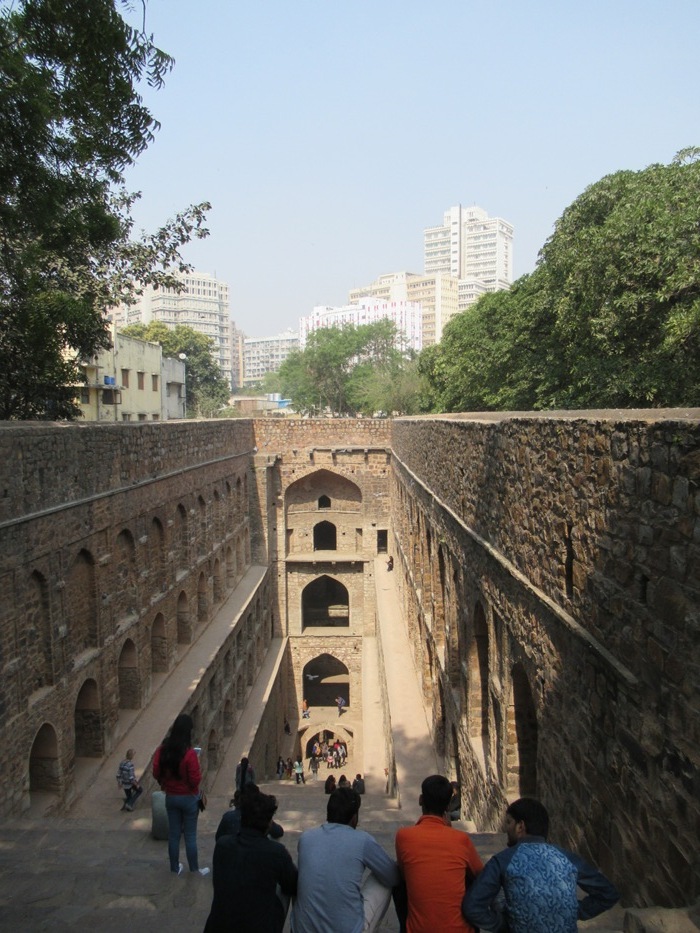
Agrasen ki baoli is a historical step well rebuild in the 14th century. It was used as a reservoir. The stone architecture is 60-meter long and 15-meter wide. It has 108 steps. (See also the 2nd photo from the top)

It locates in the center of New Delhi.

The Indian gate was built between 1921 and 1931 as a memorial of 70000 Indian soldiers died in the First World War.


Qutub Minar locates in the south outskirt of Delhi. It is a Islam minaret built around 1200 by India's first Islam dynasty. The tower is 72 meter high, the tallest in the world. It was built in Islam and Hindu designs.

There is an iron pole near the minaret.  It was made in the 5th century. The pole is famous for its high resistance to corrosion.

In Agra, I visited Taji Mahal and Agra Fort, two must-see places.

I reaffirmed the beauty of Taji Mahal.

It was build by the 5th Mugahal Emperor Sha Jahan for his dead wife Taji using 22 years (between 1631 and 1652). It was designed and made by Persian experts, not Indians, according to my tourist guide. (See also the top photo)

There were so many visitors from around the world. The ticket prices are different between foreigner and Indians. The queue was longer for Indians.

Agra Fort was built by the 3rd Mughal Emperor Akbar. I felt it was majestic.

Part of the fort is used by the Indian force.


2018-01-29

Ume and Snow: Jan 28, 2018


The flowers of Ume (Japanese apricot) started to open.

I walked in the Hanegi Park in Setagaya ward and looked the scenes at the beginning of the Ume blossom season.

Tokyo had a snow about a week a go (Jan 22). It remained on the ground.

The combination of Ume and snow has been often described in the poems, drawings and other art works in the country. It is very Japanese.


2018-01-23

Sow scene @ Imperial Palace: Jan. 23, 2018


It snowed yesterday (Jan. 22nd, 2018) in Tokyo.

The transportation system was paralyzed in the evening. Many people faced difficulties in returning their homes.

The weather was find in the following morning on Jan. 23rd. The snow stated to melt.

I walked around the Imperial Palace.

The Imperial Palace Square in Front was covered with snow. (See the top photo)

Snow remained on the sidewalks around the palace and on the bridge. (See also the 2nd photo from the top)


People were working in wasting the snow to open the walking places.


2018-01-03

New Year in Tokyo: Jan. 1-3, 2018


The year of 2018 started. 

I visited some shrines and temples and prayed for good health. I also walked in the parks in Tokyo.

Many Japanese people go Hatsumode – new year’s visit to shrines and temples – in the beginning of the year. I visited Setagaya Hachiman Shrine, Yoyogi Hachiman Shrine, Rokusho Shrine, Gotokuji Temple and Zanshoji Temple in the first three days of the year.

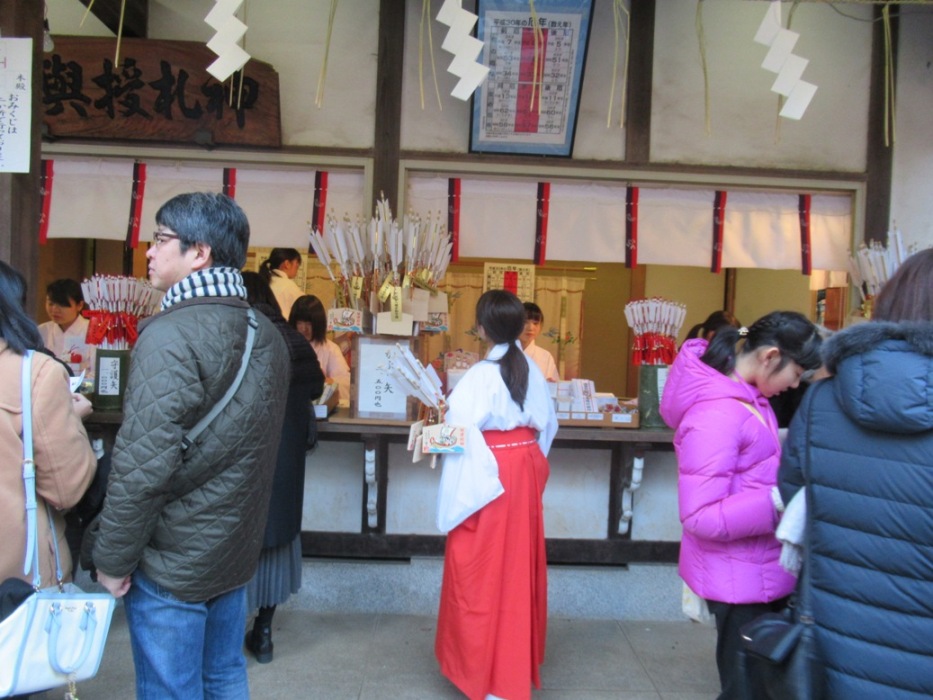
People made a long line in Setagaya Hachiman Shrine in Setagaya. They are not only Japanese, but many foreign people. (See the top photo)

There were open air stalls of foods and drinks in the garden.

They sold lucky arrows, good-luck backs and other goods. Young girls in religious costume welcomed the visitors.

Traditional Japanese music was played in Yoyogi Hachiman Shrine. 


People needed to wait hours in the queue to make prays in front of the shrine building.

The incense smoke floated in Gotokuji Temple. I saw people making a line in front of the Temple Tower.
(See also the 2nd photo from the top)

There were many plants including coral bush or manryo in Zenshoji, a small temple in Setagaya ward. Coral bush is believed to be one of fortune plants. The red color of the fruits was impressive.

Rokusho Shrine is a small shrine. It locates in a residential area. 


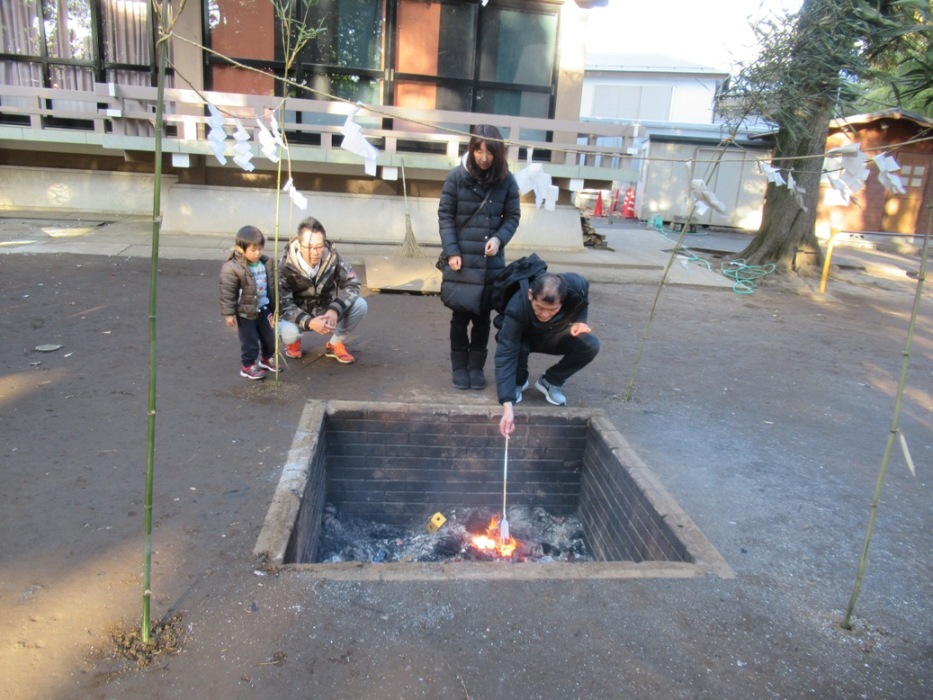
People burn old decorations in a fire.

I visited Hanegi Park for a walk. Some ume (Japanese apricot) trees opened their flowers. (See the 3rd photo from the top)

Families were enjoying the kite (tako) flying there.

I also found joggers. There is a relay marathon tournament called ekiden between Tokyo and Hakone this season. 

Many people watch the race in the TV and some are moved to start jogging.

I felt there were more joggers than usual.


2017-12-05

Tatsumi @ Tokyo Bay waterfront areas: Dec. 5, 2017


I walked around Tatsumi, a part of the waterfront districts of Tokyo Port.

Many warehouses and logistics centers gather in the area

There is a junction of highways here. (See also the top photo)

Tatsumi Seaside Park lies along the highways.

I saw some leaves falling down. I also found yellow and red leaves.

The swimming competitions in the 2020 Tokyo Olympic and Paralympic Games will be held in the district.

A new facility, tentatively named “Olympics Aquatics Center,” is under construction.

The site is quite near the international swimming center. They cannot use current facility for the Olympic Games as the spaces for the audience are too small. (See als the 2nd photo from the top)

Canals run around the district.


2017-11-27

Late autumn @ Setagaya: Nov. 26, 2017


It is getting cold. We had extraordinary cold days in November. Most people began to wear overcoats.

I walked around Hanegi Park in Setagaya ward, western Tokyo. I found the leaves of gingko trees had already turned yellow.

The leaves fell as the winds blew.

The tulip trees were losing their leaves in the walkways near the park.

The sun sets at around 16:30 in this season in Tokyo.

The winter is at the corner.


2017-11-13

A holiday in Singapore: Nov. 12, 2017 (Off off Tokyo)


I spent a holiday in Singapore. 

We had a rain in the morning today, then the weather turned to fine.

There were many tourists as well as local people in the Marine Bay area. The most crowded place was, of course, around the Merlion. (See also the top photo)

The Marina Bay Sands stands across the bay.

The combination of the Merlion, the Marina bay Sands and the skyscrapers a typical Singapore scene. Tourists and yachts were included in the picture today. See also the 3rd photo from the top)

I saw many people enjoying their times in the parks. The mirror balls were impressive at the Asian Civilizations Museum green at the side of Singapore River. 

I met a group of guided tour in the Asian Civilizations Museum. The museum focuses on the connections among various cultures in Asia –- Chinese, Indian, Southeast Asian etc. -- in the past.

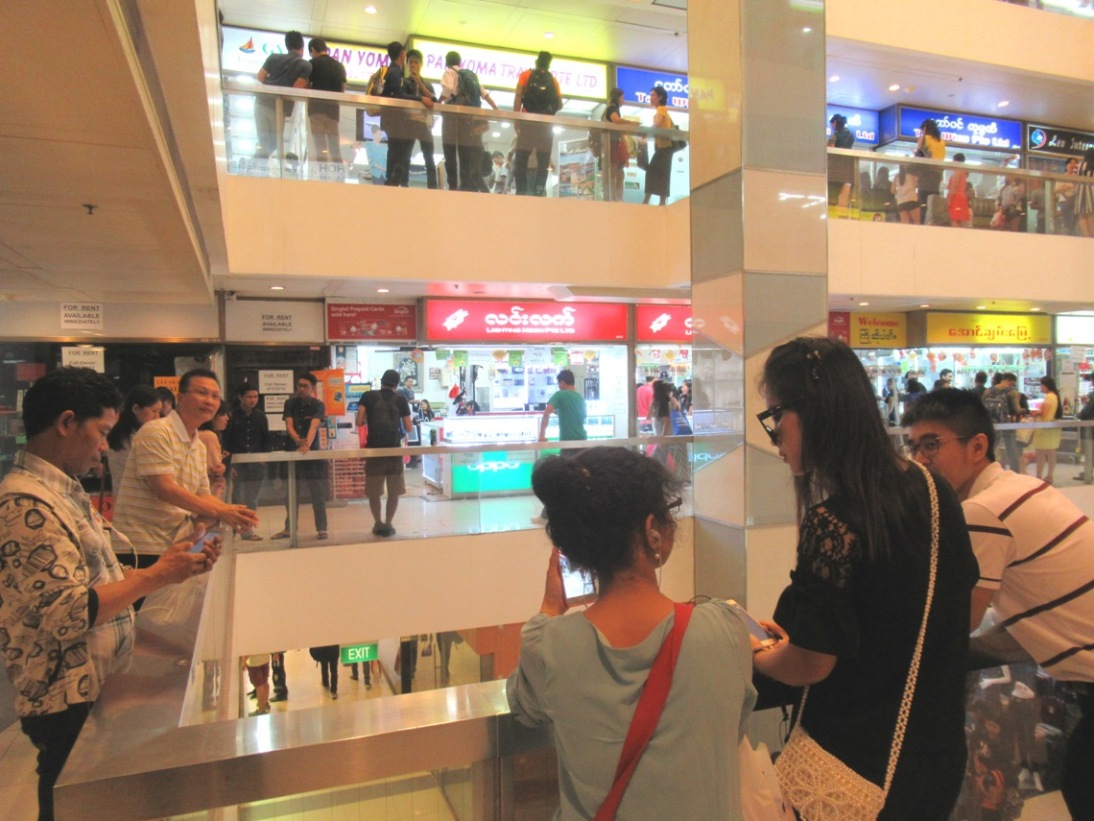
The Peninsula Plaza building in the central city hosts “Little Myanmar.” 

There are hundreds of shops of Myanmar foods, travel agencies, tailors, clinics, law firms, restaurants, and many other offices and stores in the building.

Thousands of Myanmar people gathered in and around the building.

Many of them were sitting on the sidewalks, enjoying talks over lunch, and exchanging information.

The authority did not ban such gatherings, bus just asked the participants not to block the moves of other people.

Sir Thomas Ruffles’ statue is at the side of Singapore River. He stands silently on both holidays and weekdays.